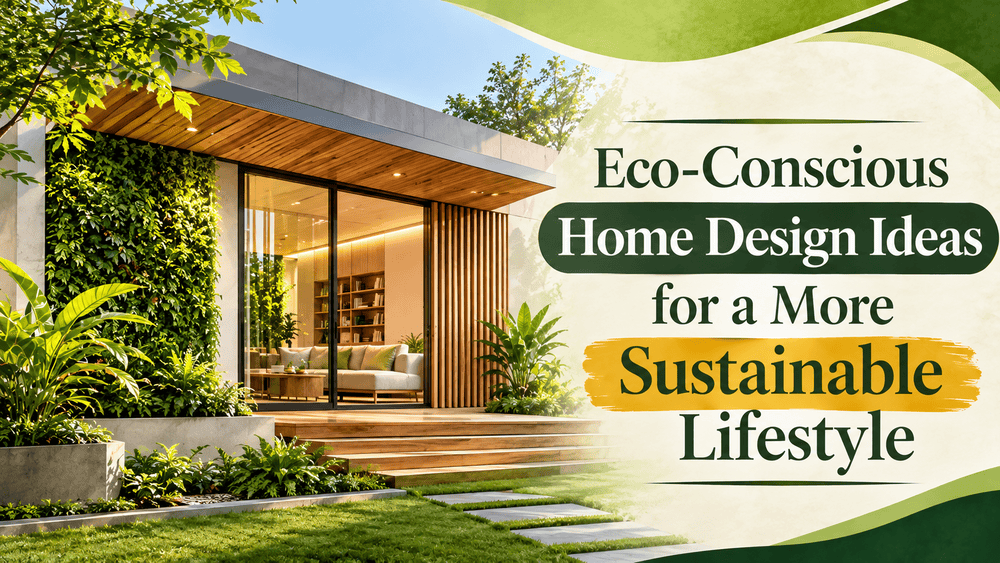
A beautiful residence should offer more than an attractive appearance. It should also support comfortable living without placing unnecessary pressure on natural resources. As environmental awareness grows, homeowners are paying closer attention to the choices involved in building, decorating, and maintaining their properties. Eco-conscious architecture brings these considerations into the planning process, creating spaces that are practical, appealing, and mindful of their surroundings.
Sustainable living does not require a complete change in lifestyle. It can begin with simple decisions, such as selecting long-lasting finishes, making better use of daylight, or reducing water consumption. When these elements are considered during the design stage, they can become a natural part of everyday life.
Let the Building Respond to Its Surroundings
Every property has its own conditions, including sunlight, wind direction, vegetation, and neighbouring structures. Understanding these factors helps architects create layouts that work with the local environment rather than against it. Window placement, balcony positioning, and shaded outdoor areas can influence how a residence feels throughout different seasons.
For example, carefully designed openings can welcome morning sunlight while limiting excessive afternoon heat. Deep overhangs, screens, and suitable exterior features can offer additional protection. Such decisions may reduce the need for artificial lighting and intensive cooling, depending on the location and climate.
Choose Materials With Purpose
The materials used in a house influence its appearance, durability, maintenance requirements, and environmental footprint. Natural stone, reclaimed timber, recycled metal, and responsibly sourced products can be considered according to the property's design and budget. Locally available materials may also reduce transportation requirements while connecting the building with its regional character.
However, sustainability is not simply about choosing products labelled as natural or recycled. Their quality, manufacturing process, expected lifespan, and maintenance needs should also be examined. A durable surface that remains useful for many years can be a sensible choice compared with finishes that require frequent replacement.
Make Water Conservation Part of Everyday Living
Water-efficient planning can make a meaningful contribution to responsible household management. Rainwater collection systems can capture runoff for gardening and other suitable non-drinking uses. Low-flow showerheads, efficient taps, and modern toilet fittings can help control daily consumption without making routine activities inconvenient.
Outdoor landscaping also deserves careful consideration. Native plants and varieties suited to the local climate generally require less intensive watering once established. Permeable paving can allow rainwater to enter the ground instead of directing all runoff towards drainage systems.
Create Interiors That Support Healthier Habits
The indoor environment has a direct connection with everyday comfort. Good ventilation, suitable daylight, and carefully selected finishes can contribute to pleasant living conditions. Paints, adhesives, and furniture products with lower chemical emissions are worth considering, particularly in bedrooms and frequently occupied areas.
Furniture selection can support the same approach. Instead of replacing items whenever interior trends change, homeowners can choose well-made pieces with adaptable designs. Repairing, restoring, or reusing existing furniture can also reduce unnecessary waste while giving rooms a more personal character.
Build a Home That Remains Relevant
A sustainable residence should continue meeting household requirements as circumstances evolve. Flexible rooms, practical storage, adaptable furniture arrangements, and accessible layouts can reduce the need for major alterations later. Thoughtful planning also helps avoid unused areas that consume construction materials without offering meaningful value.
Creating an environmentally considerate residence involves balancing design preferences with responsible decisions. With careful planning, homeowners can enjoy distinctive spaces while making more thoughtful use of energy, water, and materials. Experienced architects for luxurious home in Ahmedabad can help bring these priorities together in a residence that reflects individual taste and long-term needs.
Frequently Asked Questions
1. What is eco-conscious home design?
Eco-conscious home design focuses on reducing environmental impact through thoughtful material selection, efficient resource use, suitable ventilation, natural illumination, and practical planning. It aims to create comfortable residences while avoiding unnecessary consumption.
2. Are sustainable homes suitable for luxury living?
Yes. Responsible design can work beautifully with premium residential interiors. Natural finishes, customised furniture, landscaped courtyards, and carefully planned lighting can create an elegant atmosphere while supporting more considered resource use.
3. Which materials are suitable for an environmentally responsible home?
Options may include locally sourced stone, reclaimed wood, recycled metal, and responsibly manufactured products. The right choice depends on durability, availability, maintenance requirements, budget, and the intended architectural style.
4. How can homeowners reduce water usage?
Rainwater harvesting, efficient plumbing fixtures, water-conscious landscaping, and suitable irrigation systems can help lower household consumption. Regularly checking taps and pipes for leaks is another useful step.
Comments