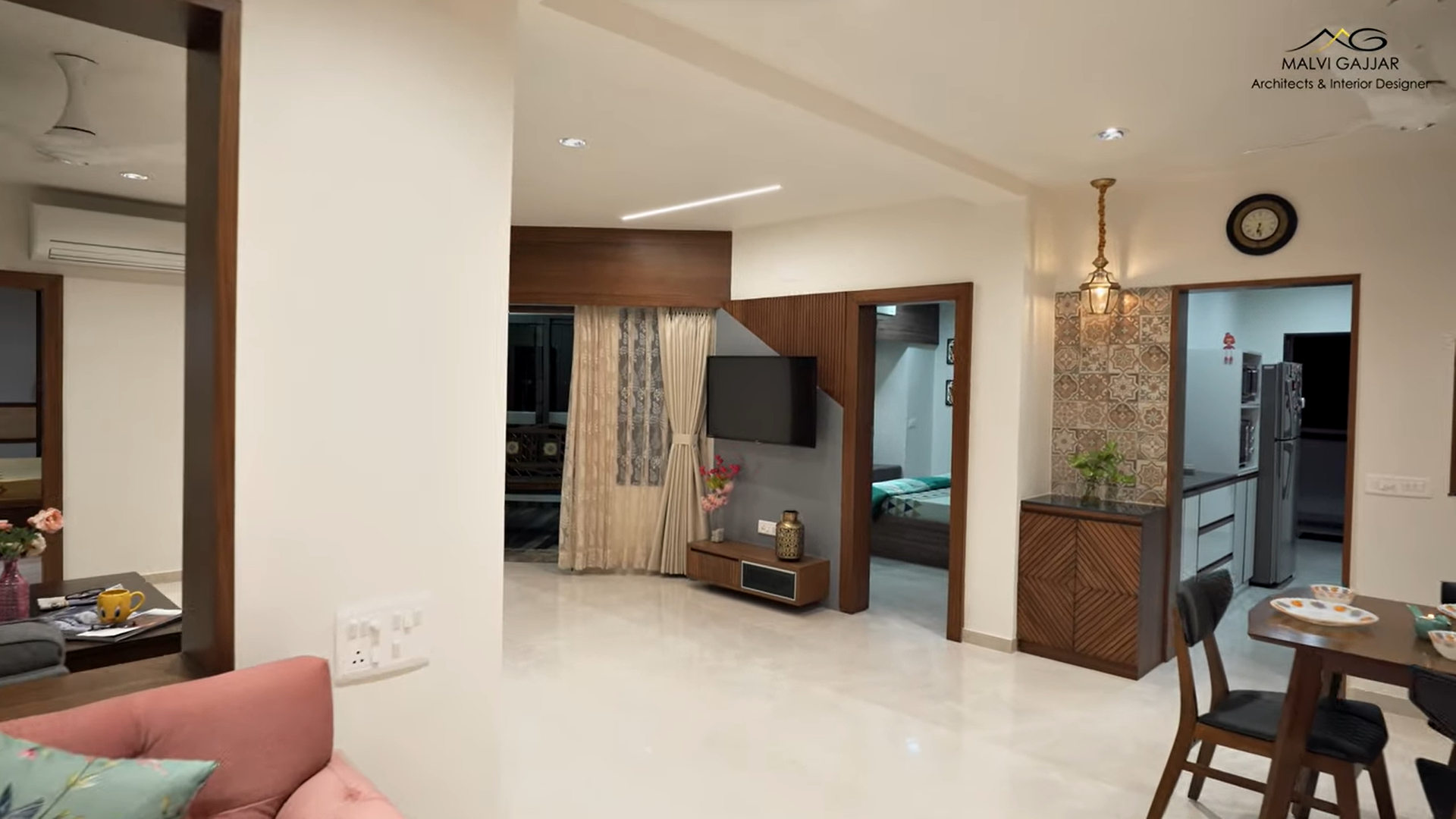
Refreshing your home does not always mean tearing everything down and starting again. Sometimes, a few well-planned changes can make a familiar space feel completely different. A new layout, better lighting, updated finishes or even a change in the way furniture is arranged can bring more comfort and personality into your home.
Here are some simple design ideas that can give your home a fresh feel without changing everything.
Start by Rethinking the Layout
Give the Walls a Fresh Look
Walls cover a large part of your home, so changing them can have an immediate visual effect. A fresh coat of paint is one of the easiest ways to change the mood of a room.
Soft neutral shades can make a space feel calm and spacious, while warmer colours can make larger rooms feel more inviting. If you prefer something more distinctive, one wall can be given a different colour or finish to create a focal point.
Wall panels, textured finishes or carefully selected wallpaper can also add character. The important thing is to choose something that works with the furniture and natural light already present in the room.
Improve the Lighting
Lighting is often underestimated when refreshing a home. The same room can feel completely different depending on how it is lit.
Start by making better use of natural light. Keep windows clear where possible and use curtains or blinds that allow daylight to enter without compromising privacy.
Then look at artificial lighting. Instead of relying on one ceiling light, combine different sources. Floor lamps, wall lights, pendant fixtures and table lamps can create softer and more interesting layers of light.
Warm lighting can make living and bedroom areas feel cosy, while brighter task lighting can be useful in kitchens, studies and work areas.
Bring Nature Indoors
Adding plants is a simple way to make interiors feel more lively. A few well-placed plants can soften hard surfaces and introduce natural colour without requiring major changes.
Larger plants can fill an empty corner, while smaller ones can sit on shelves, side tables or window ledges. If caring for plants is difficult, choose low-maintenance varieties that suit the amount of natural light available.
Natural materials can have a similar effect. Wood, cane, stone, linen and other textured finishes can bring warmth into contemporary interiors.
Update Doors and Handles
Small hardware details can easily be overlooked, but they can influence the overall appearance of a home.
Changing cabinet handles, drawer pulls and door hardware can give kitchens, wardrobes and storage units a cleaner, updated appearance. These changes are relatively simple but can make older furniture feel more current.
If the existing doors are still in good condition, there may be no need to replace them. A new finish or updated hardware could be enough to give them a different character.
Make Better Use of Empty Corners
Every home has spaces that are rarely used. It might be a corner under the staircase, a wide passage or an unused section of a bedroom.
Rather than leaving these areas empty, think about what your household actually needs. An unused corner could become a compact reading area, study desk, display shelf or storage unit.
Under-stair areas can often be turned into useful storage. A wider passage may accommodate a narrow console or artwork. These small changes can make the home feel more purposeful without taking away valuable living space.
Refresh Soft Furnishings
You do not have to replace an entire room to give it a new look. Curtains, rugs, cushions and throws can change the colour and texture of a space quickly.
For example, a neutral sofa can look completely different with a new combination of cushions and a textured throw. A new rug can define a seating area and bring several pieces of furniture together.
Choose materials that are comfortable and suitable for everyday use. A home should look good, but it should also be easy to live in.
Give the Kitchen Small Updates
Kitchens often become dated because of small details rather than major structural problems. If the cabinets and layout are still functional, a complete replacement may not be necessary.
Changing cabinet handles, updating the backsplash, replacing worn lighting or adding open shelving can make a noticeable difference.
A fresh countertop finish or a new tap can also update the appearance. Even adding a few wooden accessories or plants can make a kitchen feel warmer.
The aim is to improve the areas that are most visible and frequently used.
Add Personality Through Artwork
A home should not feel like a showroom. Personal items are what make it feel like yours.
Artwork, photographs, books, handmade pieces and objects collected during travels can add personality to otherwise simple interiors. Instead of placing everything on one wall or shelf, spread meaningful pieces throughout the home.
Large artwork can become a focal point above a sofa or dining table, while smaller pieces can be grouped together to create a more relaxed display.
Choose things that you genuinely like rather than filling the walls simply because they look empty.
Improve Storage and Reduce Visual Clutter
Sometimes a home feels tired not because the design is outdated, but because too many things are visible.
Better storage can make a surprisingly large difference. Built-in cabinets, baskets, drawers and wall-mounted shelves can help keep everyday items organised.
Try to keep frequently used objects within easy reach while storing less-used belongings out of sight. Clear surfaces can make rooms feel calmer without removing the personality that comes from lived-in details.
Focus on What Matters Most
Refreshing a home is not about changing everything at once. In many cases, the best results come from identifying a few areas that are affecting the way you live.
Maybe the living room needs better lighting, the bedroom needs softer colours or the entrance feels empty. Start there instead of trying to redesign the entire house.
A thoughtful approach also helps you avoid unnecessary spending. Good design is not always about adding more. Sometimes it is about removing what does not work and giving more attention to what does.
Make the Home Feel Like You
A refreshed home should still feel familiar. The goal is not to follow every design trend or make every room look completely different.
Small improvements can create a noticeable change when they are made with a clear purpose. Working with the best architect for home renovation can help you identify practical changes that suit your home, lifestyle and available space. A better layout can improve movement, new lighting can change the atmosphere, natural materials can add warmth and personal details can make the space feel more connected to you.
The most successful updates are those that improve both appearance and everyday comfort. With a little planning and a careful eye, even familiar rooms can feel fresh again without losing the character that made you love your home in the first place.
Comments